
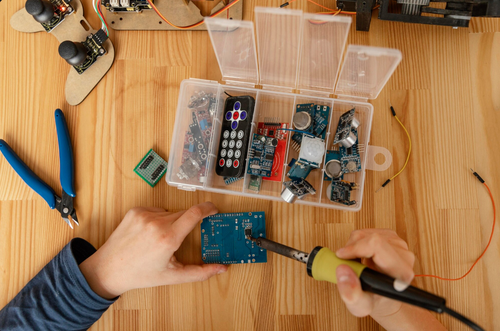
A growing chorus of consumers is challenging the status quo of product ownership. For decades, many industries have operated on models that favor new purchases over sustained use, leading to widespread frustration with planned obsolescence and repairability hurdles. In response, powerful consumer movements are emerging, advocating for a fundamental shift: the right to repair, modify, and even self-produce the goods we rely on. This pushback is not merely about saving money; it’s about reclaiming agency, fostering sustainability, and pushing back against restrictive proprietary systems.
The Growing Uprising Against Planned Obsolescence
The modern consumer often faces an uphill battle when a product fails. Devices are increasingly complex, sealed shut with proprietary screws, and their manufacturers often control access to crucial repair manuals, diagnostic software, and even spare parts. This deliberate obfuscation makes third-party repairs difficult and expensive, effectively forcing consumers into a cycle of buying new. The “Right to Repair” movement, gaining significant traction globally, argues that consumers should have unimpeded access to the information and components necessary to fix their own devices or choose an independent repairer. This movement champions a philosophy where products are designed for longevity and repairability, rather than for short lifespans and obsolescence. It’s a direct challenge to business models that profit from disposability.
Open Source Hardware: Building Blocks for Consumer Empowerment
Parallel to the repair movement, the burgeoning field of open-source hardware offers a powerful alternative to closed, proprietary systems. Inspired by the open-source software ethos, open-source hardware projects make their designs, schematics, and manufacturing instructions publicly available. This transparency allows anyone to study, modify, build, and distribute hardware based on these designs. It fosters collaborative innovation, encourages DIY culture, and provides consumers with the fundamental building blocks to create, customize, and repair devices from the ground up. By embracing open standards, this approach democratizes technology, reducing reliance on single manufacturers and empowering individuals to tailor solutions to their specific needs, thereby extending product utility and fostering a culture of creation over consumption.
Legislative Waves: Europe’s Stance on Repairability
Recognizing the environmental and economic implications of a disposable culture, legislative bodies are beginning to respond. The European Union, in particular, has been at the forefront of initiatives aimed at enhancing product repairability. Through regulations such as the Ecodesign Directive, the EU is progressively mandating that manufacturers make spare parts available for a minimum period, provide repair manuals, and design products that are easier to disassemble and repair. These measures are designed to combat e-waste, promote a circular economy, and give consumers genuine choice beyond simply replacing broken items. The aim is to shift the market towards durable, repairable goods, signalling a significant institutional endorsement of the principles championed by consumer advocacy groups.
Consumer Agency Beyond Electronics
The drive for greater control over products and their lifecycles extends far beyond traditional electronics and machinery. It reflects a broader societal desire for transparency, sustainability, and self-determination. This philosophy of consumer agency in shaping their products is also observable in more niche segments. For example, formats like https://eliqvapoteur.com/en/longfill-c480 illustrate consumer empowerment, where the manufacturer supplies only the concentrate, and the consumer defines the final product shape independently – a clear manifestation of the consumer’s right to co-creation in its purest form. Platforms like https://eliqvapoteur.com/pl often serve as central hubs for understanding the dynamics of such specialized, consumer-driven markets, showcasing the evolving landscape of product choice and modification.